Classes & Abilities Guide
Star Wars Zero Company features a deep 12-class system that lets players craft specialized combat roles for every member of their squad. With eight standard specializations available to custom operatives and four exotic specializations locked to authored companions, the game offers a vast range of tactical possibilities across its turn-based campaign.
How the Class System Works
Every operator's combat identity is assembled from four independent components: a Talent (a fixed or pooled ability unique to each character), a Weapon Class (Longarm, Repeater, Rifle, or Pistol), a Primary Specialization, and a Secondary Specialization. Because these components are chosen at separate steps during operator creation and are fully independent of one another, any weapon type can be paired with any class, and any Universal Talent can complement any build. This modular design means that two operators sharing the same specialization can still play very differently on the battlefield.
Midway through the campaign, operators unlock a Secondary Specialization slot, effectively creating a dual-class system. The selection screen labels these slots Spec 1 and Spec 2, and any standard class can be placed in either slot — with the restriction that an operator cannot equip the same specialization in both. This dual-class mechanic dramatically expands build variety as the campaign progresses, letting players layer complementary abilities for powerful synergies.
Primary specializations can be changed whenever the squad returns to the Den, the team's home base used for mission preparation and relationship building. This flexibility encourages experimentation, so players should not hesitate to try different class combinations as new tactical challenges arise.
Standard Specializations
The eight standard specializations are available to all custom-created operatives and cover the full spectrum of battlefield roles. Each standard class fills four ability slots — one Ultimate, one Standard, and two Passives — with the Heavy being the sole exception, carrying a third passive called Intimidating Posture for five abilities in total. Abilities within each class can be upgraded through per-rank improvements, adding layers of progression on top of the dual-class system.
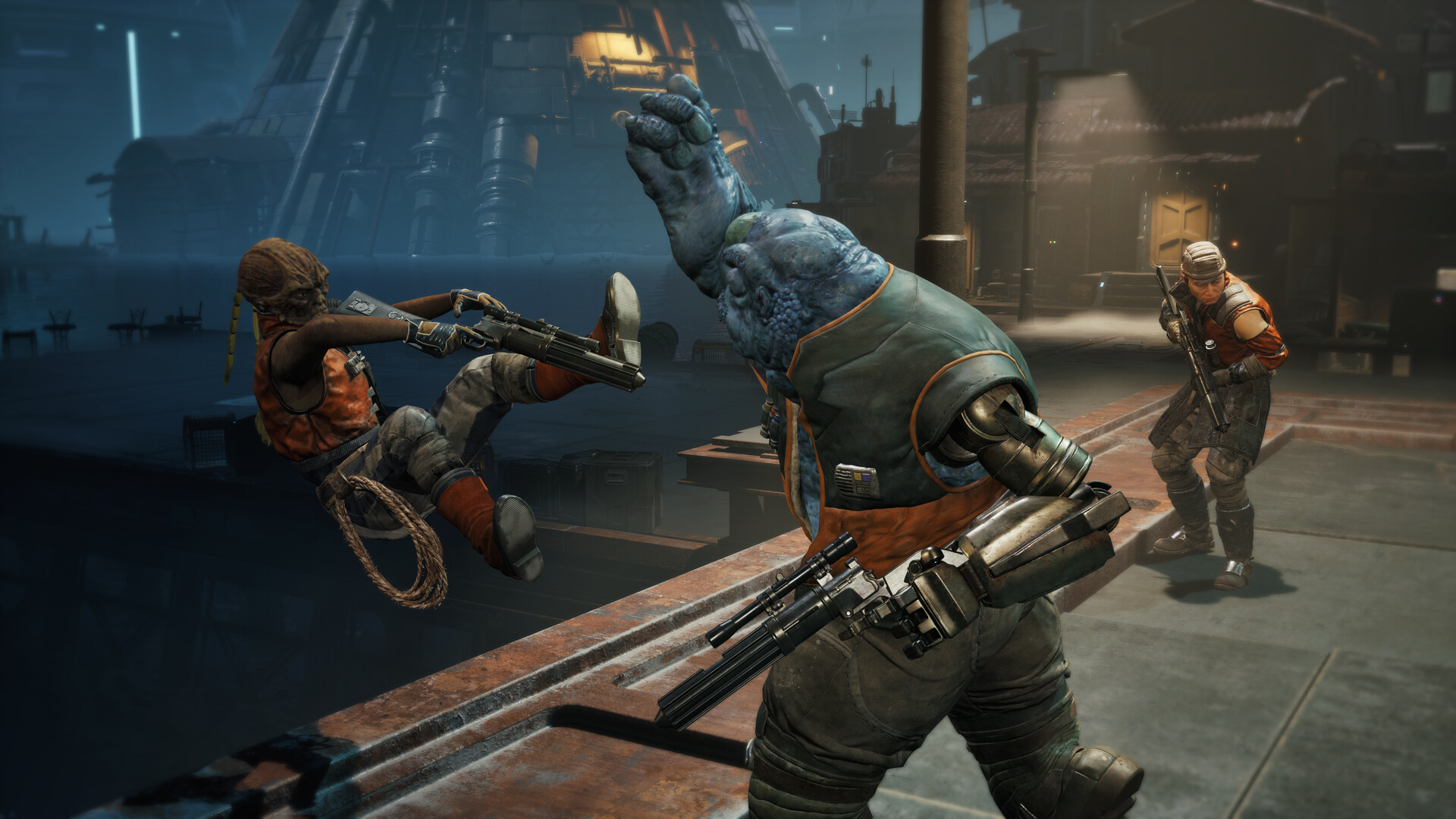
Among the confirmed standard classes, the Assault excels as a frontline fighter specializing in medium- to close-range engagements, using abilities like its Sweeping Salvo ultimate to flush enemies from cover. The Gunslinger focuses on multi-target blaster attacks and rapid strikes across numerous foes with its Open Fire ultimate. The Heavy serves as a thickly armored frontline combatant built around survivability and drawing enemy fire with the Bulwark ultimate. The Scoundrel is another standard option, favored by characters like the companion Cap. Additional standard classes round out the roster to provide support, reconnaissance, and other tactical niches.
Because custom operatives are never treated as second-class squad members — they banter with companions, develop relationships, and have their own likes and dislikes — investing in their specialization builds is every bit as rewarding as developing the authored characters. A well-built custom sharpshooter or demolitions expert can match or rival any companion in combat effectiveness.
Exotic Specializations
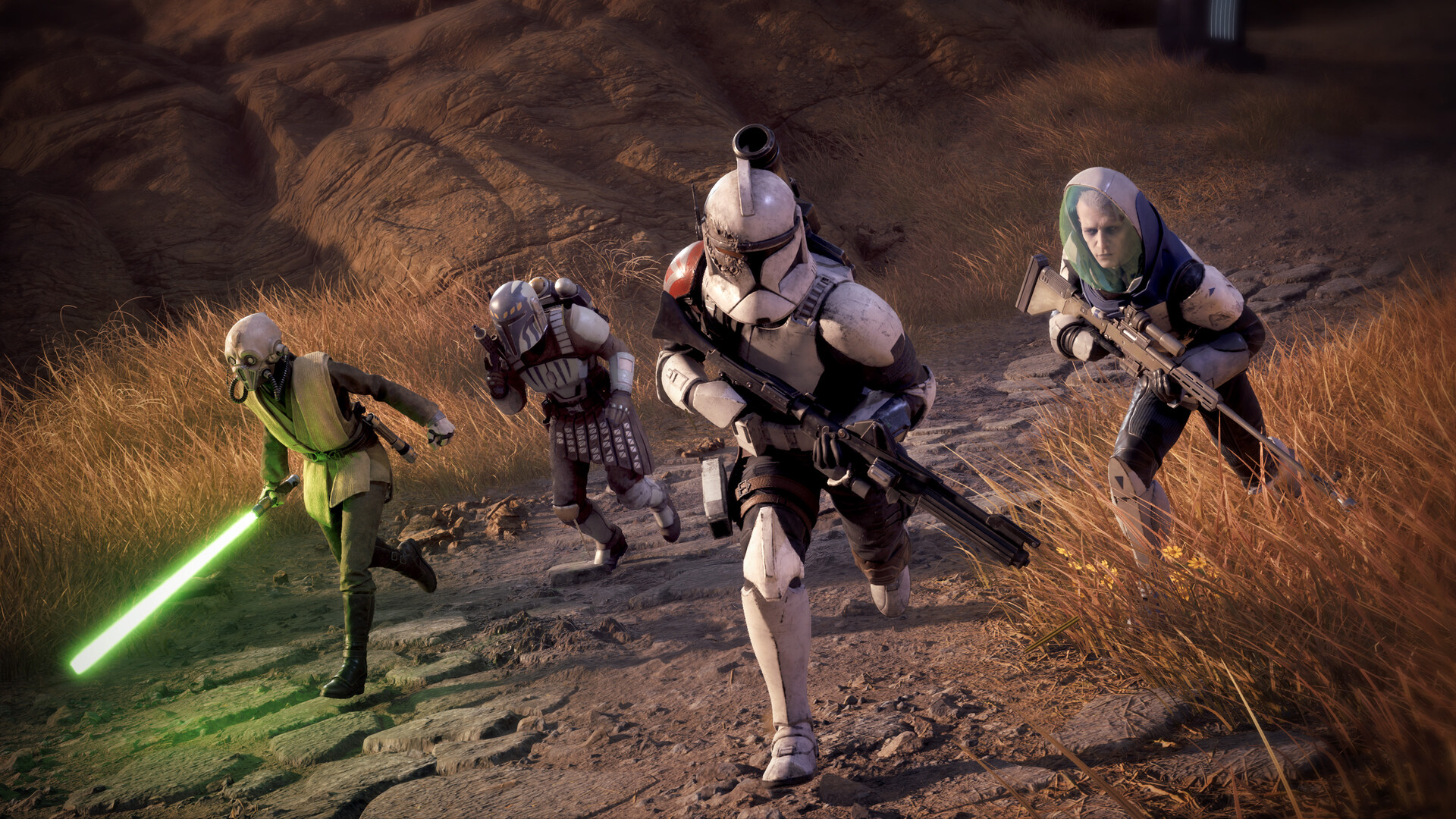
Four exotic specializations are restricted to specific story companions and cannot be replicated through custom operator creation. These classes bring entirely unique kits to the battlefield, offering tools and mechanics unavailable anywhere else in the game. The confirmed exotic classes are the Jedi Padawan, the Mandalorian Warrior, the Astromech, and a special Clone Trooper commando variant unlocked through the story.
The Jedi Padawan is exclusive to Tel Rya, who wields two lightsabers in place of ranged weapons — a loadout that cannot be changed. Instead of utility slots, she equips Force Meditations, additional options that are unlocked through her character-specific missions. Tel Rya can perform vertical movement using the Force without needing ladders or climbing, saving valuable movement points. Her Noble Stance ability lets her select a directional arc and increases deflection against incoming blaster fire from that direction, making her a formidable defensive anchor.
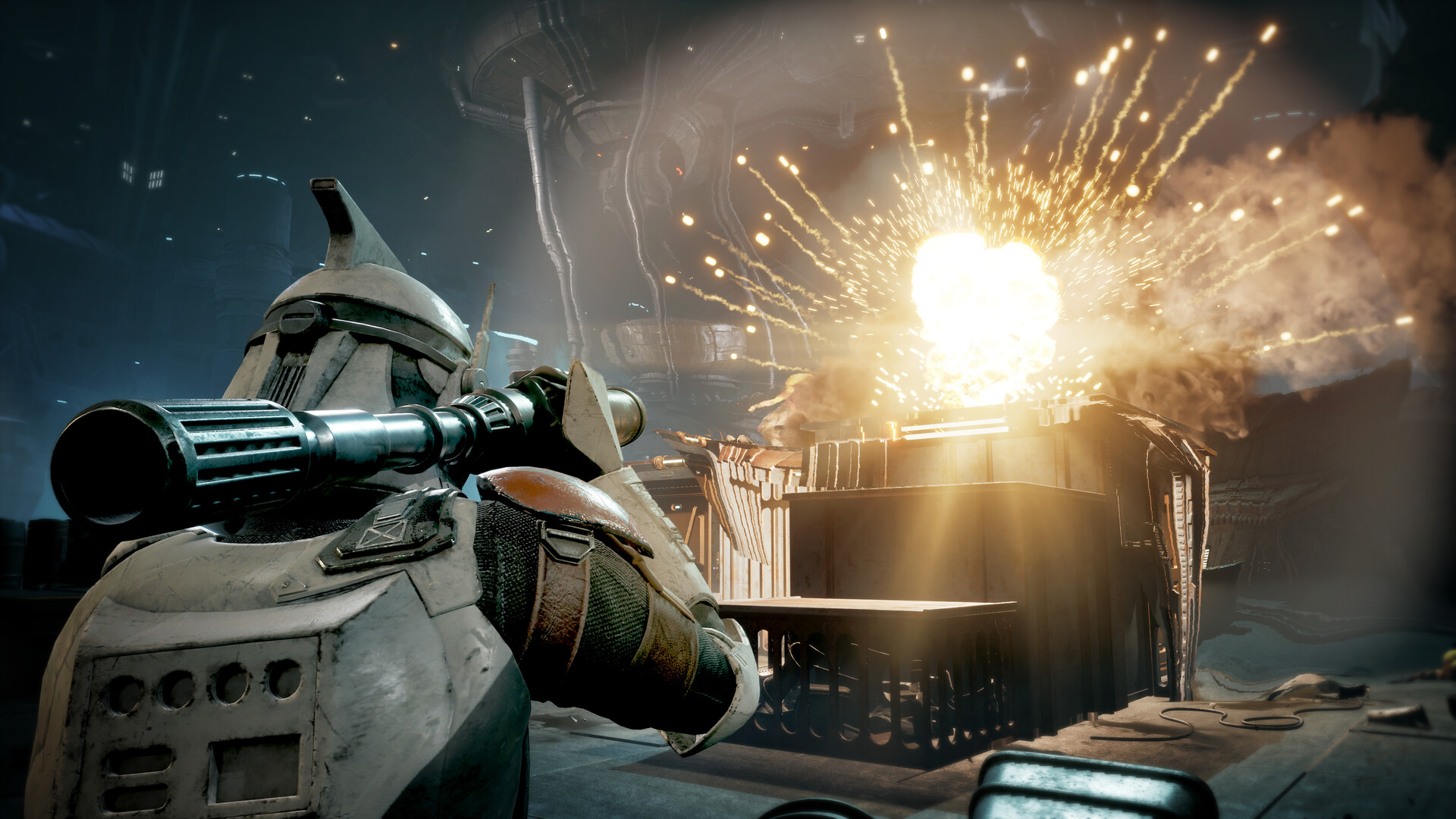
The Clone Trooper exotic specialization belongs to Trick, one of the earliest companions recruited. Upon unlocking his Commando armor, Trick gains access to a specialized weapon with multiple firing modes and distinct abilities tied to each mode. The Astromech and Mandalorian Warrior round out the exotic roster, each bringing mechanics that further diversify squad composition and open up tactical options unavailable to standard builds.
Companion Talents and Unique Abilities
Beyond their specialization, every operator — custom or authored — carries a unique Talent that functions independently of their class. For authored companions, these talents are fixed and define much of their battlefield identity. Cap, a Feli Prize Fighter who lost his arm after refusing to throw a fight and now sports a cybernetic replacement, carries the Uppercut talent. This melee ability is widely regarded as one of the strongest talents in the game, and players who are not planning to build around Uppercut may want to consider a different squad member, since it is central to Cap's value.
When evaluating whether to bring a companion, consider not just their exotic class or talent but also how their fixed abilities interact with the rest of your squad's build. Authored companions like Cap can have their specialization swapped at the Den, so even if a companion starts as a Scoundrel, they can be respecced into any standard class that better complements their unique talent and your overall strategy.
Building an Effective Squad
The key to squad building in Zero Company is understanding that specialization, weapon type, and talent are three independent axes of customization. A clone operative carrying a Pistol, specced into a ranged-focused class, can function as a precision sharpshooter, while another operative with the same class but a Repeater might serve as a suppression platform. Experimenting with unconventional pairings — such as pairing the Heavy's survivability passives with an aggressive secondary specialization — can yield unexpectedly powerful results.
Balance your squad between standard operatives and exotic companions based on the mission's demands. Exotic classes like the Jedi Padawan and Mandalorian Warrior offer tools that no custom build can replicate, but a roster full of authored characters means missing out on the flexibility that dual-class custom operatives provide. The strongest companies typically blend both, using exotic companions for their irreplaceable abilities while filling remaining slots with custom operatives tailored to cover gaps in the squad's tactical profile.
Return to the Den between missions to experiment with respeccing, swapping primary specializations, and adjusting your squad lineup. Since the campaign unlocks secondary specializations partway through, early investments in understanding each class's ability set will pay dividends when the dual-class system opens up and the full depth of Zero Company's build crafting becomes available.